
Attention: Australian INVESTORS
Join the Exodus of Australian Investors getting out of Overpriced Aus Property & getting Better Returns Overseas
Investors know foreign markets hold the upside, but are worried about costly mistakes because of something they didn't understand.
Now you can borrow someone else's proven track record instead of learning the hard way...
CLICK BELOW TO WATCH THIS 3-MIN VIDEO FIRST!
Next Step: Answer a few questions to tailor your investment solution below:

Attention: Australian INVESTORS
Join the Exodus of Australian Investors getting out of Overpriced Aus Property & getting Better Returns Overseas
Investors know foreign markets hold the upside, but are worried about costly mistakes because of something they didn't understand.
Now you can borrow someone else's proven track record instead of learning the hard way...
CLICK BELOW TO WATCH THIS 3-MIN VIDEO FIRST!
Next Step: Save One Of The Few Free Call Slots Available This Week
Fill Out The Form Below To Book Your Spot
How it Works
Your Investment Match
With us mapping your goals against the market, then sourcing through vetted suppliers held to our own high standards.
Settlement & Beyond
With our foreign agent handling settlement while we oversee it, then stay on for help with management, improvements and/or your next purchase.


Smart Australian Investors Are Now Moving Their Money Offshore
This isn't a trend. It's basic maths.
Obviously, Australian property has made a lot of people very wealthy over the last 30 years.
That story isn't over, but for investors either entering the market now or looking to safely supplement their income, the numbers are increasingly hard to justify.
Some everyday numbers most Aussie investors know already:
The median house price in Sydney sat at around $1.62M (as of Jan 2026).
Gross yields across the capitals at the same time were roughly:
- Sydney ~3.0%
- Melbourne ~3.5%
- Brisbane ~4.5%
- Adelaide ~4.8%
- Perth ~5.3%
Factor in council rates, water charges, strata levies, and land tax, which typically represent 15–25% of gross rental income, and net yields are typically 1.5–2% lower than gross yields after all expenses are factored in.
Meanwhile, in Metro Manila, Cebu, Da Nang, and Phuket, entry-level investment apartments are selling for USD $120,000–$350,000 with gross rental yields averaging 5–8% - and reaching 7–10% in established tourist and expat corridors in markets like Phuket and Metro Manila's prime CBDs.
The capital growth case is equally compelling.
The Philippines' GDP has grown at an average of ~5–6% annually over the past decade — one of the fastest rates in Asia. The middle class is expanding. International remote workers and ASEAN business travellers are driving demand for quality furnished apartments in cities like BGC (Bonifacio Global City), Makati, Cebu IT Park, and Davao.
None of that is the hard part. The numbers are public. Any agent, any developer, any Facebook ad can show you a yield projection.
The hard part is this: once you’ve decided the opportunity is real, who represents you through it?
In Australia, buying a house means dealing with a selling agent who legally represents the vendor, and most buyers know to be a little careful about that. Buy overseas, and the same dynamic exists, except:
- You can’t easily verify the developer.
- You don’t know the local legal framework.
- You’re transacting in a currency and a legal system you’ve never used.
- The “agent” showing you the property is paid by the person selling it.
That’s not a reason to avoid the opportunity, rather the reason buyer representation exists in every mature property market — and now why it matters in the markets you don't know.
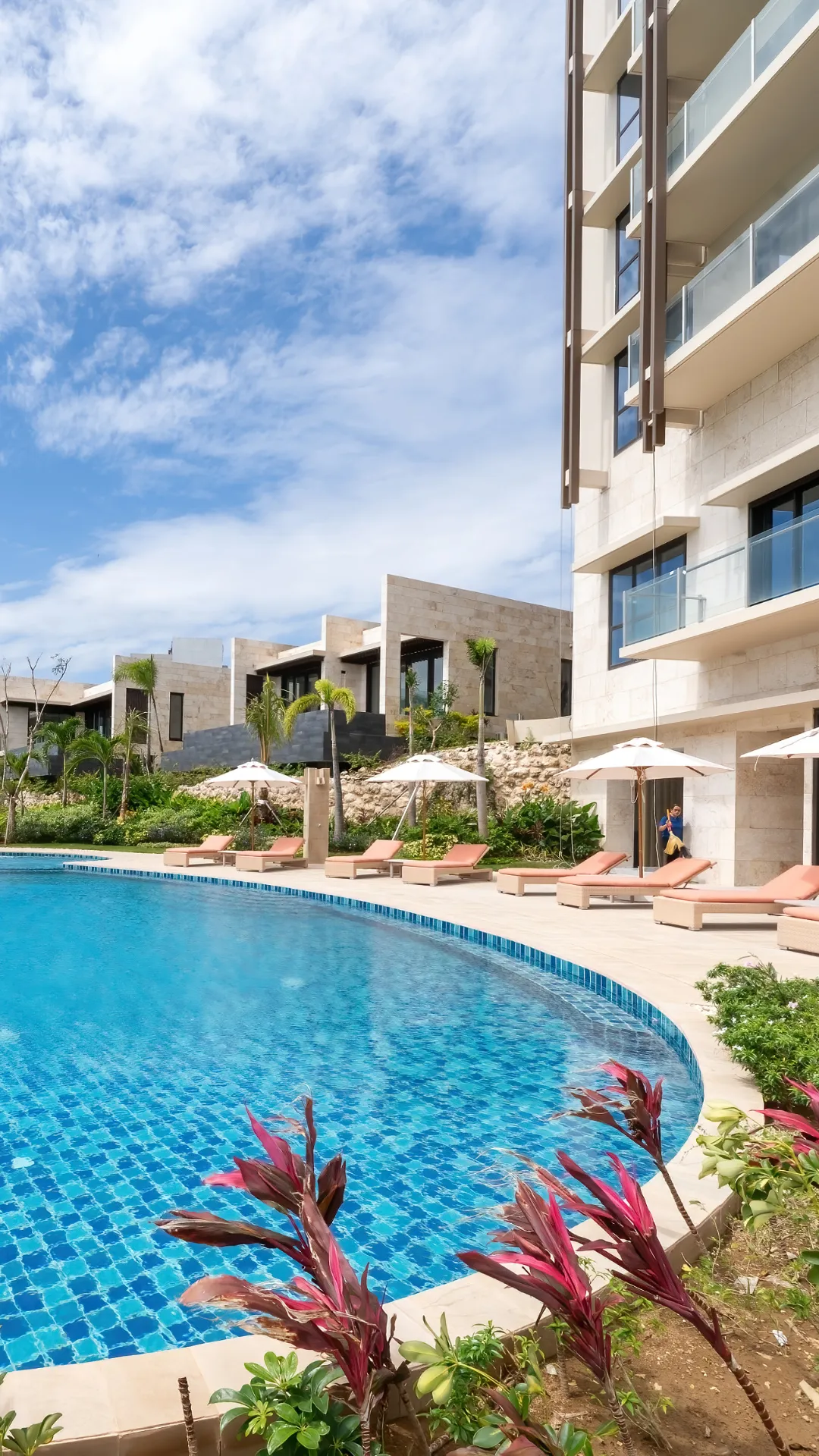
You're Just 3 Steps from
Conversation to Cash-Flowing Asset

1. The Discovery Call
We start with your numbers, not ours. Budget, income goals, timeline, risk tolerance, and what “success” looks like for you.
Because we’re engaged by you, not by a developer, there’s no product we need to move. If offshore property isn’t right for you right now, or your budget doesn’t support the outcome you want, we’ll tell you that here.

2. The Search
We'll search across vetted developments in the corridors that suit your goals, run the due diligence a developer’s sales team was never going to do for you, and you get a shortlist we’d be comfortable recommending to our own family.
Nothing else makes the list.

3. Negotiation, Settlement & The First Year
We negotiate price and terms on your behalf.
Once terms are set, we coordinate the legal, financial, and property management pieces, get it into your name, and then stay engaged through the first year, which is when most questions come up and certainty matters most.
Ready to get started?
You're Just 3 Steps from
Conversation to Cash-Flowing Asset
1. The Discovery Call
We start with your numbers, not ours. Budget, income goals, timeline, risk tolerance, and what “success” looks like for you.
Because we’re engaged by you, not by a developer, there’s no product we need to move. If offshore property isn’t right for you right now, or your budget doesn’t support the outcome you want, we’ll tell you that here.
2. The Search
We'll search across vetted developments in the corridors that suit your goals, run the due diligence a developer’s sales team was never going to do for you, and you get a shortlist we’d be comfortable recommending to our own family.
Nothing else makes the list.
3. Negotiation, Settlement & The First Year
We negotiate price and terms on your behalf.
Once terms are set, we coordinate the legal, financial, and property management pieces, get it into your name, and then stay engaged through the first year, which is when most questions come up and certainty matters most.
Ready to get started?
A Straight Answer on the 3 Things Everyone Asks About
There are three things worth understanding clearly before you buy offshore property.
None of them are dealbreakers. All of them are manageable.
But you should hear them from us now, not discover them later.
1: Foreign Ownership - Here's How It Actually Works
Australians cannot own freehold land in the Philippines. Anyone who tells you otherwise is either uninformed or selling you the wrong product. What Australians can own is a condominium title - outright, registered in your name, under a legal framework that tens of thousands of foreign buyers have used for decades. This is the law, and it works exactly the way you'd want it to.
It's also why we only ever recommend condominium title products to foreign buyers. Clean, clear, and legally established.
2. Developer Selection - The Decision That Matters Most
Not which floor. Not which view. Not which payment plan. Developer selection is the most important call you'll make, and it's one we take seriously on your behalf.
Failed developments have happened in SE Asia and will happen again. We've walked away from developer relationships because the financial backing, track record, or governance didn't meet our standards.
Every developer we work with has completed projects, verifiable titles, and payment arrangements for off-plan stage payments. We'll show you the specific protections in every contract before you sign anything.
3. Currency - What To Expect And How To Think About It
These are USD-denominated assets. Your entry cost, rental income, and eventual sale proceeds will all move with the AUD/USD rate. Most of our clients actually treat this as a benefit, as USD exposure is its own form of diversification away from Australian dollar risk.
But you should understand it before you commit, not after. We'll walk you through how our clients approach it and what options exist for managing exposure.

STILL NOT SURE?
Everything You Want To Know
Before You Pick Up The Phone
You've got questions. Here's the real answers.
Is this actually legal for Australians?
Yes it is, and it's cleaner than most people expect. Australians have no restriction on purchasing property overseas. In the Philippines specifically, foreign nationals can own condominium titles outright under the Condominium Act. Your name is on the title. It's registered with the relevant authority. It transfers, it sells, and it earns rental income exactly the way you'd expect. The one restriction: Australians cannot own freehold land in the Philippines, which is why we only recommend condominium title products to foreign buyers. No grey areas, no workarounds.
How is this different from just dealing with a developer’s sales agent?
They’re paid by the seller. We’re engaged by you. That single difference changes every incentive in the transaction: which properties get shown to you, whether the yield numbers are realistic or marketing, whether developer risk gets disclosed, and whether anyone negotiates the price down instead of protecting it.
A developer’s agent can only ever sell you what they’re representing. We search across the market and can walk away from all of it if none of it suits you.
How do I pay you, and does that create a conflict?
You engage us directly and pay a fee for representation - the same model as a buyer’s agent in the Australian residential market. That’s what lets us say, honestly, that our job is to get you the right outcome rather than move a particular developer’s stock. It’s the opposite incentive structure to the rest of this industry.
What kind of properties are we actually talking about?
Primarily furnished condominium apartments in established urban and tourist corridors eg. metropolitan Manila, Cebu City, Mactan, and IT Park. Entry-level starts around USD $120,000; mid-range sits between $200,000–$400,000. We shortlist against your budget and goals on the discovery call from across the whole marketplace.
What yields can I realistically expect?
Gross yields on well-located furnished apartments in our portfolio have been running at 7–10%. Net yields after local management fees, outgoings, and local taxes typically land at 5–8%. That's two to three times what most Australian investors are clearing on comparable assets in Australian capital city regions. We'll give you actual figures from actual properties on the call, rather than a range from a brochure.
Do I need to travel to overseas to buy?
No - most of our clients complete their first purchase remotely. We do full video walkthroughs, independent building inspections, and title verification before any purchase proceeds. That said, we encourage a visit when you're comfortable, usually before or shortly after a second purchase. The clients who've had the smoothest experience are the ones who understood the documentation thoroughly, not necessarily the ones who got on a plane first.
How long does the whole process take?
From discovery call to exchange typically takes 4–8 weeks depending on due diligence, legal review, and finance arrangements. Settlement on completed stock can happen quickly. Off-plan purchases have a longer lead time to completion, with stage payments structured across the build period. We'll map the specific timeline for any property we recommend before you commit to anything.
How does money actually move in and out?
In: AUD to USD via a specialist currency transfer service (we’ll refer you as the bank rate is rarely competitive), then to the developer’s or vendor’s solicitor account at settlement. Out: sale proceeds remit in USD to your account, with no Philippine government restriction on repatriation.
What happens with tax back in Australia?
Rental income from overseas property is assessable income in Australia - you declare it on your tax return the same way you would Australian rental income. Capital gains on sale are subject to Australian CGT, with the 50% discount available if held for more than 12 months. There may also be withholding tax obligations in the Philippines on local rental income. The interaction between the two isn't complicated, but it does require an accountant who understands foreign-sourced income. We refer our clients to one of the world's most renowned accounting specialists who handle exactly this in the most simple and profit-driven way.
Who manages the property once I’ve bought it, and who do they actually work for?
We've got a network of vetted and licensed local managers selected for track record and how they communicate with clients. You get a direct contact and regular reporting, on a management structure agreed before you signed, because we set it up as part of representing you.
What if I want to sell in a few years?
When you're ready to exit, we can connect you with licensed broker partners who handle pricing, marketing, buyer qualification and settlement - the same relationships used to manage the asset, so they already know it. You’re not starting from scratch with a stranger.
Can I use my SMSF to buy?
Potentially, but the structure needs to be right before you proceed. An SMSF can hold foreign property assets under certain conditions, and some of our clients have done exactly this. It requires specific legal and accounting advice upfront to make sure the structure is compliant. We'll flag this on the discovery call if it's relevant to your situation and refer you to the right specialists.
What happens on the discovery call?
Thirty minutes with a member of our team who has personally been through the purchase process in this market. We'll cover your budget, your income goals, your timeline, and your concerns. We'll give you a shortlist of property types that match your situation and walk you through the legal and financial framework. No script, no pitch deck, no pressure to decide anything on the call. If we don't think this is right for you right now, we'll tell you that.
How long does the support last after I buy?
It doesn’t stop at settlement. We stay engaged through tenanting, management setup and the first year of ownership, which is the period when most questions surface. Clients buying a second or third property typically come straight back to us, because the relationship, not the transaction, is the point.
Will this work for my budget or situation?
Honest answer: not always. If your budget is under USD $80,000, the options narrow significantly and we'll tell you that upfront. If your situation involves complex SMSF structures, offshore income, or other variables, we'll flag what needs to be resolved before a purchase makes sense. We'd rather have that conversation early than have you commit to something that isn't right for you, or significantly complicated by comparison to your onshore options.
Is this just a timeshare in disguise?
No - and the fact that you’re asking is exactly why representation matters here. A timeshare gives usage rights. What we shortlist is registered condominium title: your name on the title, your rental income, your decision to sell, your capital proceeds. “Usage rights,” “club memberships” or “points” are the red flag, and part of our job is screening that out before it ever reaches you.
I've heard SE Asia property stories that didn't end well.
So have we, some involving operators we know by name. Off-plan projects that didn’t complete, developers who took deposits and disappeared, agents who banked commissions and vanished. That’s precisely the failure mode buyer representation exists to prevent: someone doing the due diligence before your money moves, on your side of the table. Judge us by clients who bought two and three years ago and keep coming back - we’ll connect you with them directly.
Why wouldn't I just buy another property in Australia?
You can, and if the numbers work for your situation, maybe you should. But if you're looking at 2.8% gross yields, $800 (suburban) and $1.2M+ (metropolitan) entry prices in the major capitals, and a market that requires significant leverage to generate meaningful returns, it's worth understanding what the alternative actually looks like before you decide. We're not anti-Australian property. We're pro-making-your-capital-work-as-hard-as-possible. Sometimes that's here. Increasingly, for a lot of investors, it's not.
What if the market drops after I buy?
Property markets move in cycles - in Australia, in the Philippines, everywhere. We don't promise capital growth on a specific timeline and you should be suspicious of anyone who does. What we can point to is the underlying demand drivers in the markets we operate in: GDP growth, expanding middle class, undersupply of quality residential stock, infrastructure investment. These are structural tailwinds much more than they are a prediction. If you're buying for yield with capital growth as the long-term upside, short-term market movements matter less than the income the asset generates while you hold it.
I don't know enough about this market to make a decision.
That's exactly what the discovery call is for. You don't need to arrive informed, just curious. Thirty minutes with someone who knows these markets in detail will give you a clearer picture than weeks of reading articles written by people who've never bought here - all in a no-jargon way so you don't end up more confused at the end. Book the call, ask every question you have, and decide afterwards whether it's worth exploring further. The worst outcome is you spend half an hour and decide it's not for you. That's not a bad outcome.
MEET THE FOUNDER &
YOUR NEW PROPERTY PARTNER
Hey, I'm Richard
I’ve spent 27 years in property, personally involved in hundreds of transactions across the Philippines, Thailand and the Middle East, but most of them came from me being involved on the developer's side.
I started Sell Rent Property because I kept watching Australians get “advice” from people who were never actually working for them - advisors who’d been on a developer’s famil, stayed at the resort, sat through the sales centre pitch, and came home calling themselves offshore property experts. Every incentive in that arrangement points away from the buyer.
So we flipped it completely.
We’re engaged and paid by the buyer, which means our only job is to get you the right outcome, even if that means walking away from a developer relationship, and we have, more than once, over financial backing, track record or governance that didn’t meet our standard.
My view on the fundamentals hasn’t changed: GDP growth, a young and expanding middle class, chronic undersupply of quality residential stock, and a clear legal framework for foreign ownership. I’d back this market regardless of the business I’ve built around it.
The difference now is what you get when you call: representation instead of a pitch. You’ll speak to me or someone on my team who’s personally been through this process - for you, not for whoever’s selling the property.